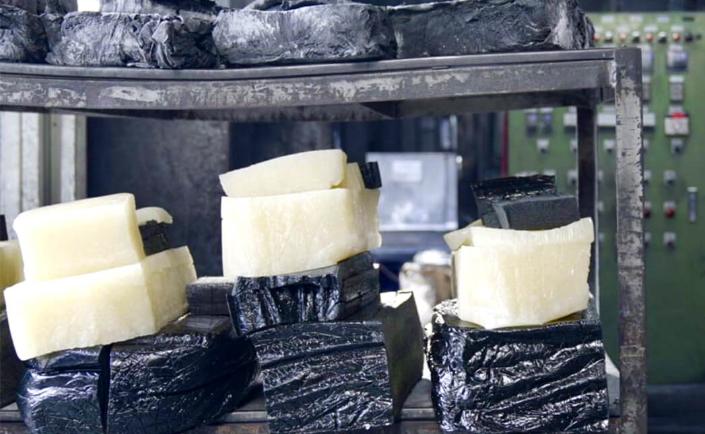
Rubber plays an indispensable role in our daily lives. From automotive tires and industrial seals to various household products, rubber is everywhere. However, when selecting materials for specific manufacturing needs, you may often face a critical choice: synthetic rubber vs natural rubber. Each type possesses unique characteristics, advantages, and application areas. Understanding how to differentiate between natural and synthetic rubber is crucial for making an informed, cost-effective choice for your project.
Natural Rubber: The Eco-Friendly Choice
Natural rubber is extracted from the latex (rubber milk) of rubber trees. It mainly consists of polymers of isoprene and is highly valued for its excellent elasticity, tear resistance, and dynamic performance. The greatest advantage of natural rubber lies in its eco-friendliness; as a renewable and biodegradable resource, it imposes a relatively lower environmental burden compared to its synthetic counterparts.
Synthetic Rubber: Engineered for Performance
Unlike natural rubber, synthetic rubber is manufactured through chemical synthesis processes using petroleum by-products. The main advantage here is versatility—it can be engineered and customized to meet extreme application needs.
While natural rubber is excellent for general use, synthetic rubbers are formulated to withstand harsh environments, including extreme heat, oil, chemicals, and ozone exposure.
Looking for a specific rubber material for your project?
There is a wide variety of synthetic rubbers available, such as NBR, Silicone, EPDM, and Viton (FKM), each serving distinct industrial purposes. To avoid choosing the wrong material, we have prepared a comprehensive guide for you.
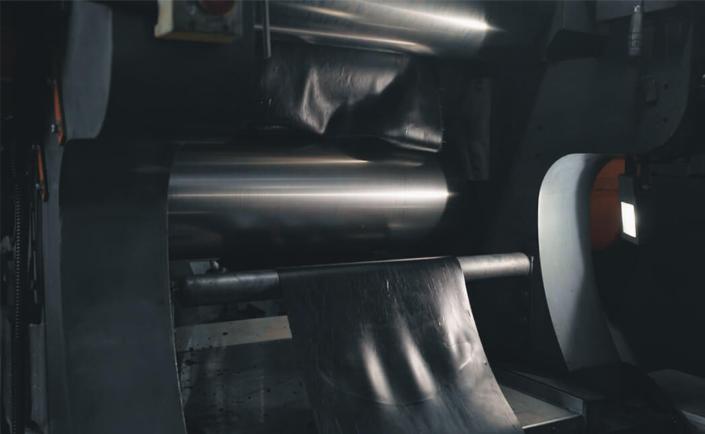
How to Differentiate Between Natural Rubber and Synthetic Rubber
To more intuitively demonstrate the differences and help you differentiate between natural rubber and synthetic rubber, let's look at a direct comparison of their core properties:
| Feature / Property |
Natural Rubber |
Synthetic Rubber |
Source |
Rubber trees (Hevea brasiliensis) |
Chemical synthesis (petroleum-based) |
Elasticity & Flexibility | Excellent, especially at low temperatures | Varies by type; generally less elastic than natural rubber |
Heat & Weather Resistance | Moderate; vulnerable to ozone and extreme heat | Outstanding; highly resistant to heat, aging, and ozone |
| Oil & Chemical Resistance | Poor | Excellent (Specific types like NBR and FKM) |
Durability & Abrasion | Good | Superior durability and abrasion resistance |
Environmental Impact | Sustainable, renewable, and biodegradable | Higher carbon footprint, not easily biodegradable |
Natural vs Synthetic Rubber: How to Make the Right Choice?
The choice between natural vs synthetic rubber ultimately depends on your specific product requirements and working environments.
- Choose Natural Rubber if: You value environmental sustainability, require superior elasticity, or are manufacturing products that experience heavy dynamic stress (like vibration dampeners or specific tires).
- Choose Synthetic Rubber if: Your products require specific performance characteristics, such as high heat resistance, chemical resistance, oil tolerance, or extreme weather durability.
Partner with Zong Yih: Your Expert in Custom Rubber Manufacturing
Choosing the right material between natural and synthetic rubber can be challenging, as it directly impacts your product's performance, lifespan, and cost. That is where we come in.
At Zong Yih, we don't just manufacture rubber products; we provide tailored engineering solutions. With decades of expertise in both natural rubber processing and advanced synthetic rubber compounding, we have successfully helped clients across various industries—including automotive, industrial machinery, and electronics—overcome complex material challenges.
Our technical team will thoroughly evaluate your specific working environments (such as extreme temperatures, chemical exposure, and mechanical stress) to recommend or custom-formulate the perfect elastomer for your project. Whether you need the sustainable resilience of natural rubber or the highly-engineered durability of synthetic materials, Zong Yih ensures your products meet the highest international quality standards.
Stop guessing and let the experts handle your material selection. Contact Zong Yih for Custom Rubber Solutions!