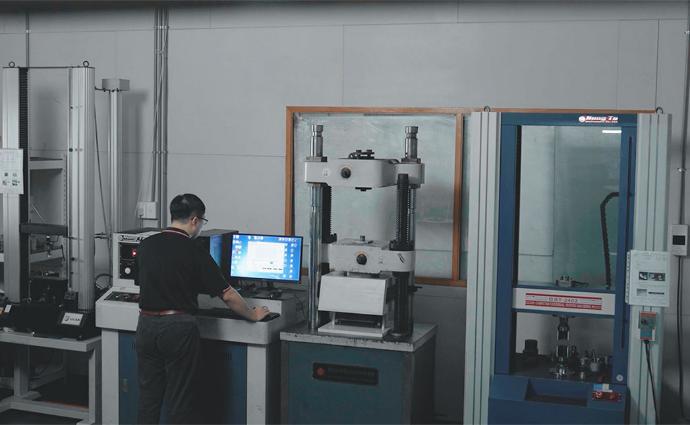
Rubber components are used in applications where sealing, flexibility, vibration control, and resistance to environmental conditions can affect product performance. Testing helps manufacturers evaluate material properties, identify potential limitations, and verify whether components meet specified requirements.
Different rubber products require different testing methods. A sealing gasket may need compression set and fluid resistance testing, while a vibration damper may require stiffness and fatigue evaluations. Selecting the appropriate tests depends on the rubber material, component design, operating conditions, and customer specifications.
Common Rubber Material Testing Methods
Material property tests evaluate how rubber responds to mechanical stress, temperature, chemicals, and other conditions. They can be performed on standardized test specimens or finished components, depending on the test method and product requirements.
The following tests are commonly used to evaluate rubber materials and components.
| Test Item |
Standard |
Purpose & Importance |
| Hardness Test |
ASTM D2240 |
Measures rubber hardness to help assess material consistency and suitability for sealing, cushioning, and fitting requirements. |
| Tensile Strength & Elongation | ASTM D412 | Measures tensile strength and elongation at break to evaluate how rubber behaves under stretching forces. |
| Tear Strength | ASTM D624 | Evaluates resistance to tearing, particularly where components may experience cuts, edges, or concentrated stress. |
| Compression Set | ASTM D395 | Measures permanent deformation after compression under specified conditions, providing information relevant to sealing and cushioning applications. |
| Heat Aging Test | ASTM D573 | Evaluates changes in rubber properties after exposure to elevated temperatures for a specified period. |
| Ozone & Weather Resistance | ASTM D1149 | Evaluates resistance to ozone-induced cracking under defined exposure and strain conditions. |
| Oil Resistance | ASTM D471 | Measures changes in rubber properties after immersion in specified liquids, such as oils or other service fluids. |
| Flammability Test | FMVSS 302 / ASTM D5132* | Evaluates burning behavior under specified test conditions when flammability requirements apply. |
| Electrical Insulation | ASTM D149 | Measures dielectric breakdown strength to assess suitability for applications requiring electrical insulation. |
The applicability of flammability standards should be confirmed according to the product, material, and relevant customer or regulatory requirements.
Test results are influenced by factors such as rubber formulation, specimen preparation, temperature, and testing conditions. The selected method should therefore reflect the intended application and the properties being evaluated.
Vibration and Durability Testing for Rubber Components
For rubber components used in vibration isolation or repeated-load applications, material property tests alone may not fully describe how the finished part will perform.
Stiffness and fatigue tests help evaluate the behavior of rubber dampers and other components under specified loading conditions.
| Test Item |
Standard |
Purpose & Importance |
| Stiffness Test for Dampers |
Customer Specifications or Internal Test Methods |
Measures resistance to deformation under an applied load. Depending on the test setup, stiffness may be evaluated in different loading directions. |
| Dynamic Fatigue Test | Customer Specifications or Internal Test Methods | Evaluates how a component responds to repeated loading cycles and helps identify changes in performance or signs of fatigue. |
The test conditions should reflect the component's intended function. Load direction, displacement, frequency, and number of cycles may affect the results, particularly for rubber parts exposed to repeated movement or vibration.
How to Choose the Right Rubber Testing Methods
Not every rubber component needs to undergo every available test. The appropriate testing plan depends on the product's function, material, and expected service conditions.
The following examples illustrate how testing priorities may differ by application.
| Application or Operating Condition |
Relevant Testing Methods |
Key Considerations |
| Seals and Gaskets |
Hardness, Compression Set, Fluid Resistance |
Compression behavior, material compatibility, and sealing requirements |
| Rubber Dampers and Mounts | Hardness, Stiffness, Dynamic Fatigue | Load-bearing behavior, deformation, and repeated loading |
| Oil-Exposed Components | Fluid Resistance, Heat Aging, Hardness | Changes in material properties after exposure to oils and operating temperatures |
| Outdoor Rubber Components | Ozone Resistance, Heat Aging, Application-Specific Weathering Tests | Exposure to ozone, heat, sunlight, and other environmental conditions |
| Flexible Rubber Parts | Tensile Strength, Elongation, Tear Strength | Stretching, deformation, and resistance to tearing |
| Electrical Insulation Components | Dielectric Strength and Other Applicable Electrical Tests | Insulation requirements and electrical operating conditions |
These examples provide a starting point rather than a fixed testing checklist. A product may require additional evaluations depending on its design, service life expectations, or industry requirements.
For instance, a rubber seal exposed to oil and elevated temperatures may require both fluid immersion and heat aging tests. A vibration mount may need component-level testing under specified loads rather than relying only on the properties of the rubber material.
Understanding Testing Standards and Acceptance Criteria
Rubber testing standards establish procedures for measuring particular material or component properties. However, using a recognized testing method does not automatically mean that a product meets its application requirements.
For example, ASTM D2240 provides a method for measuring rubber hardness, but the acceptable hardness range must be defined by the material specification, product design, or customer requirements.
Similarly, a compression set test produces a measured result under specified conditions. Whether that result is acceptable depends on the intended application and the agreed performance criteria.
When establishing a rubber testing plan, several details should be clarified:
- Test Method: Which standard or procedure will be used?
- Test Conditions: What temperature, duration, load, or exposure conditions apply?
- Test Specimen: Will testing be performed on a standard specimen or the finished component?
- Acceptance Criteria: What values, tolerances, or performance limits must be met?
Clearly defined requirements help manufacturers and customers interpret test results consistently and determine whether further material or design adjustments are necessary.
How Zong Yih Supports Rubber Testing Requirements
For custom rubber components, testing requirements often depend on more than the material itself. Part geometry, operating conditions, and customer specifications can also influence which properties need to be evaluated.
Zong Yih Rubber Industrial manufactures custom molded rubber parts and supports customers with material evaluation and quality control considerations throughout production. Its experience includes rubber material testing and evaluations related to vibration and durability requirements.
When developing a custom rubber component, sharing drawings, material specifications, operating conditions, and required test standards can help establish a suitable testing approach. Clearly defined acceptance criteria also provide a basis for reviewing test results and discussing any necessary adjustments.
For questions about rubber material testing or quality requirements for a custom molded component, contact Zong Yih to discuss your project specifications.