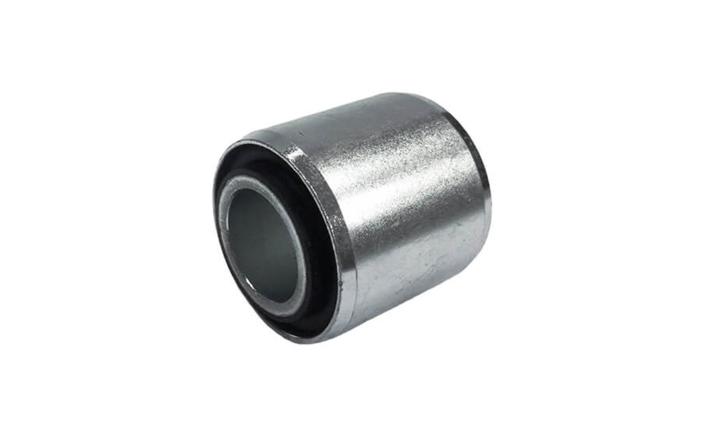
A rubber bushing is a flexible component placed between two parts to reduce vibration, absorb shock, minimize noise, and prevent metal-to-metal contact. It helps protect connected components from wear and supports smoother, more stable operation in machinery and vehicles. Because of these benefits, rubber bushings are widely used in automotive systems, industrial equipment, and many other applications that require vibration isolation and movement control.
What Does a Rubber Bushing Do?
A rubber bushing functions as an interface between connected parts. Its main role is to cushion movement, reduce friction, and absorb repeated impact during operation. By separating two components, it can also help reduce noise and prevent direct contact that may lead to premature wear or damage.
In many applications, rubber bushings improve both performance and service life. They help equipment operate more smoothly, reduce stress on surrounding parts, and contribute to better long-term reliability.
Why Rubber Bushings Matter in Machinery and Vehicles
Although they may appear to be small parts, rubber bushings play an important role in the overall performance of machinery and vehicles. In automotive applications, they help reduce road shock, dampen vibration, and improve ride comfort. In industrial systems, they help stabilize moving parts and reduce the impact of constant motion or repeated stress.
Without the right rubber bushings, machinery and vehicles may experience higher noise levels, more vibration, faster wear, and reduced operational stability. Selecting the appropriate bushing is therefore an important step in improving both product performance and equipment lifespan.
Common Applications of Rubber Bushings
Rubber bushings are used in many types of machinery and transportation systems where vibration control and part protection are important. Common applications include:
- Automotive suspension systems
- Steering systems
- Engine mounts
- Industrial machinery
- Agricultural equipment
- Construction machinery
- General mechanical assemblies
In these applications, rubber bushings help absorb impact, reduce noise, support movement, and protect adjacent parts from excessive wear.
Standard vs. Custom Rubber Bushings
Rubber bushings can be produced in either standard or custom specifications, depending on the application. The right option depends on operating conditions, design requirements, and expected performance.
Standard Rubber Bushings
Standard rubber bushings are designed to meet common application needs. They are typically available in established sizes, material options, and hardness ranges, making them a practical choice for general machinery and vehicle systems.
They are often suitable when the design is straightforward and no special adjustments are needed.
Custom Rubber Bushings
Custom rubber bushings are developed for applications with specific technical or environmental requirements. They can be manufactured according to required dimensions, shape, hardness, and material characteristics to better match the intended use.
Custom solutions are especially valuable when standard products cannot provide the right fit, durability, or vibration control performance. For OEM and specialized industrial projects, custom rubber bushings can help improve long-term reliability and system efficiency.
How Material Affects Rubber Bushing Performance
The material used in a rubber bushing plays an important role in its overall performance, durability, and suitability for different environments. In practical applications, material selection is often influenced by factors such as vibration absorption, oil exposure, weather resistance, flexibility, and temperature range.
Rather than focusing only on the material type itself, it is more important to evaluate how the rubber bushing will perform under actual operating conditions. Choosing the right compound can help improve service life, reduce maintenance, and ensure more reliable operation in machinery and vehicles.
Wondering How to Choose Rubber Material?
How to Choose the Right Rubber Bushing
Choosing the right rubber bushing involves more than selecting a size. A suitable bushing should be matched to the specific demands of the application to ensure stable performance and longer service life.
- Load: Consider the amount of force or pressure the bushing needs to withstand during operation.
- Motion: The direction, frequency, and range of movement can affect both design and material selection.
- Temperature: Operating temperature can influence rubber flexibility, stability, and long-term durability.
- Oil Exposure: Applications exposed to oil, grease, or chemicals may require materials with stronger resistance to these substances.
- Outdoor Use: If the bushing is used outdoors, weather resistance and ozone resistance become more important.
- Durability Requirement: The expected lifespan, maintenance cycle, and wear conditions should all be considered when selecting a rubber bushing.
By evaluating these factors carefully, manufacturers and buyers can choose a rubber bushing that better supports performance, durability, and overall equipment reliability.
Find the Right Rubber Bushing Solution
Rubber bushings are small but essential components that help reduce vibration, absorb shock, minimize wear, and improve the performance of machinery and vehicles. Whether used in standard applications or custom-engineered designs, the right rubber bushing can make a meaningful difference in operating stability and product lifespan.
If you are looking for reliable rubber bushings, custom rubber components, or OEM/ODM manufacturing support, Zong Yih is ready to assist. Contact us for further discussion and quotation.